AB UT US
UT US
INTRODUCTION
We are among the most reputed and well known electrical company based at Kolkata.
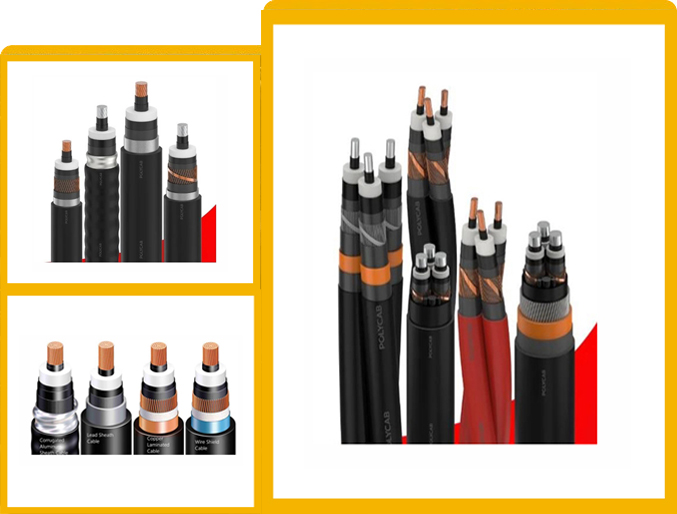
We are dealing with specially trading of HT/LT Electrical Cables & Wires including house wire, power, control, and instrumentation & communication cables, EHV Cables, HT Cable Termination and Jointing KITs, Cable Glands & Sockets (Lugs), Industrial/Commercial Lighting products etc. for more than 3 decades majority in eastern region of India. In this part we have experienced and skilled team to execute and deliver the goods in time and assurance of best after sale services.
PRCESS
Our Work Process

PROJECT LIFECYCLE
Understanding the project lifecycle is crucial for electrical engineers to effectively plan, execute, and manage projects from inception to completion. The project lifecycle consists of distinct phases, including initiation, planning, execution, monitoring and controlling, and closure. Each phase presents unique challenges and opportunities that require careful consideration and strategic decision-making.


PROJECT PLANNING
During the initiation phase, engineers assess project objectives, requirements, and constraints to determine its viability. Understanding the lifecycle helps in conducting feasibility studies, evaluating risks, and making informed decisions about project initiation. The planning phase involves defining project scope, objectives, deliverables, and timelines. With a clear understanding of the lifecycle, engineers can develop detailed project plans encompassing resource allocation, budgeting, scheduling, and risk management strategies.
FEASIBILITY STUDIES
- Technical Feasibility
- EconomicFeasibility
- Legaland Regulatory Feasibility
- Operational Feasibility
- Schedule Feasibility
INITIAL DESIGN AND PLANNING
Once project objectives are defined and feasibility is established, the initial design and planning phase begins. This involves developing conceptual designs, high-level architectures, and preliminary plans to guide project implementation. Key activities include:
- Conceptual Design
- Requirements Analysis
DESIGN AND DEVELOPMENT
- Detailed Engineering Design
- System Architecture Design
- Circuit Design and Analysis
- Component Selection and Sourcing
MATERIAL PROCUREMENT
Once the detailed design is finalized, the procurement phase involves acquiring materials, equipment, and components necessary for project implementation. Key activities in this phase include:
- Vendor Selection
- Material Specification and Procurement
- Quality Assurance
CONSTRUCTION PLANNING AND EXECUTION
With materials and equipment in place, the focus shifts to construction planning and execution to bring the project to completion. This phase involves coordinating activities, managing resources, and overseeing construction processes. Key activities include:
- Site Preparation
- Scheduling and Resource Allocation
- Construction Oversight
- Commissioning and Testing
By meticulously planning and executing design and construction activities, engineers ensure the successful implementation of electrical engineering projects, meeting project objectives and delivering high-quality solutions.
DISCOM LIASONING
DISCOM liasoning refers to the process of engaging with Electricity Distribution Companies (DISCOMs) to ensure smooth coordination and approvals for various power-related activities, particularly those involving solar power projects and net metering. This includes obtaining necessary permissions, navigating regulatory requirements, and ensuring compliance with Discom guidelines.
Questins
Need Help? Check Our FAQ Section


24/7
We are available..
1. What are the key phases in an electrical engineering project lifecycle?
The lifecycle includes initiation, planning, execution, monitoring & controlling, and project closure—each with unique goals.
2. Why are feasibility studies important before starting a project?
Feasibility studies evaluate technical, economic, legal, operational, and scheduling aspects to ensure project viability.
3. What is included in the project planning phase?
It includes defining objectives, deliverables, timelines, budgeting, resource allocation, and risk management strategies.
4. What does the initial design phase involve?
Initial design includes conceptual designs, requirements analysis, and high-level system architecture planning.
5. How do you handle material procurement?
We manage vendor selection, material specification, procurement, and ensure quality assurance before site execution.
6. What activities are involved in construction planning and execution?
It includes site prep, resource scheduling, construction oversight, commissioning, and testing of the project setup.
7. What is Discom liasoning and why is it essential?
Discom liasoning involves coordination with electricity distribution companies for approvals, especially for solar and metering compliance.